

1. What is plasma surface treatment?
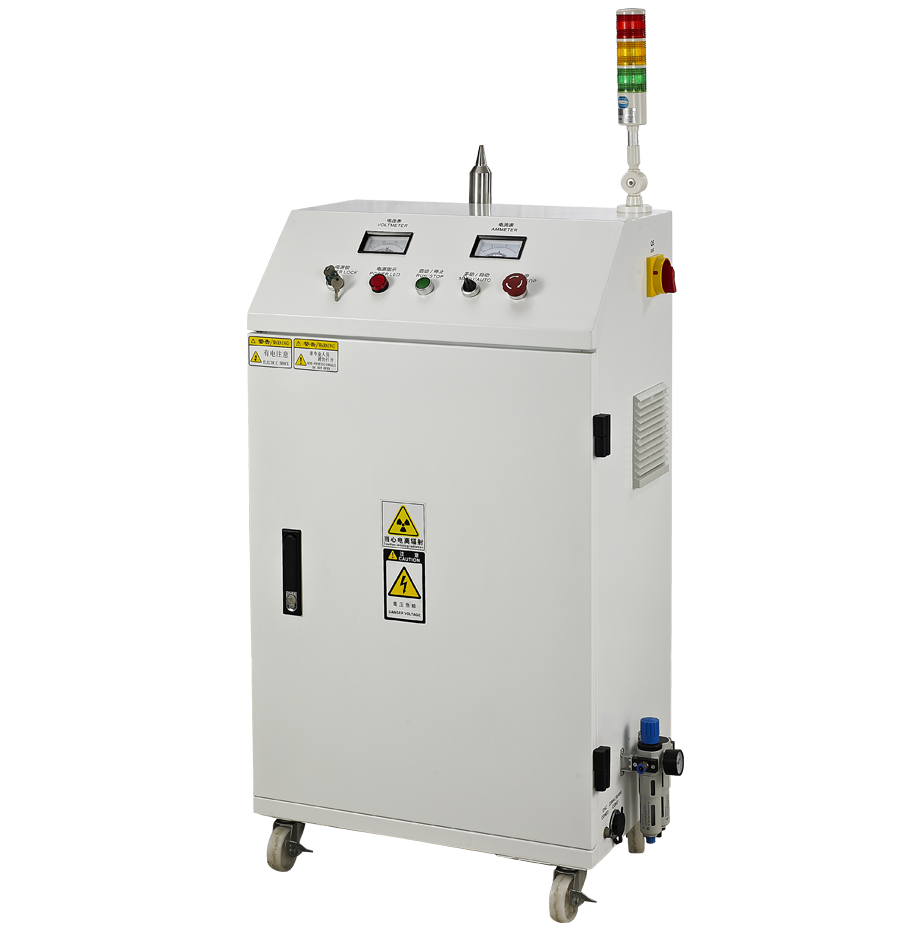
Plasma surface treatment is a pre-treatment process used to clean and activate a material surface before printing, coating, laminating or adhesive bonding.
It modifies the surface properties of the material, improves wettability and increases the surface energy, helping inks, coatings and adhesives achieve more reliable adhesion.
2. Why is plasma treatment needed before gluing or printing?
Some materials, especially low-surface-energy plastics such as PP and PE, are difficult to bond or print directly because liquids tend to bead up instead of spreading evenly.
Plasma treatment activates the surface and improves wettability, creating better conditions for subsequent printing, coating or adhesive application.
3. What materials can be treated with plasma?
Plasma surface treatment can be used for many difficult-to-bond or difficult-to-print materials, including:
- PP
- PE
- PET
- PA / Nylon
- ABS
- PC
- Various plastic films
- Coated paperboard
- Composite materials
The actual treatment result depends on the material, surface condition, treatment parameters and production process, so testing is recommended before final equipment selection.
4. What problems can plasma surface treatment solve?
Plasma treatment can help address problems such as:
- Poor adhesive bonding
- Ink adhesion failure
- Coating adhesion problems
- Delamination
- Poor wetting
- Inconsistent bonding on low-energy materials
- Difficult printing on plastic surfaces
It can improve the surface condition before the next process rather than simply increasing the amount of adhesive or ink.
5. Can plasma treatment be integrated into an automatic production line?
Yes.
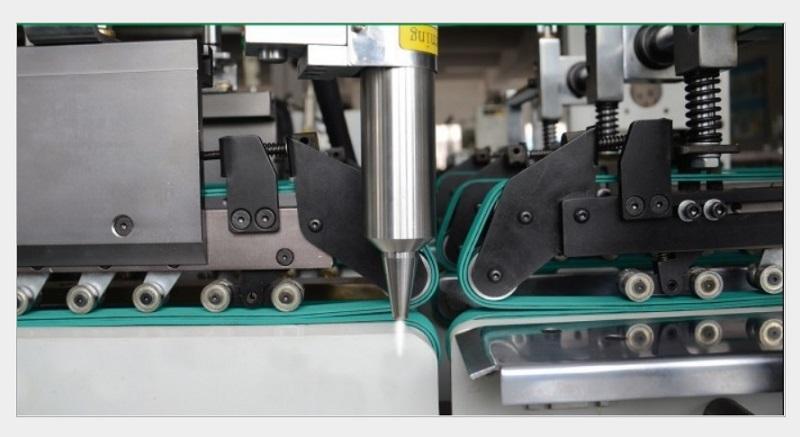
Atmospheric plasma treatment can be designed as an inline process, allowing the material to be treated immediately before printing, coating, gluing or laminating.
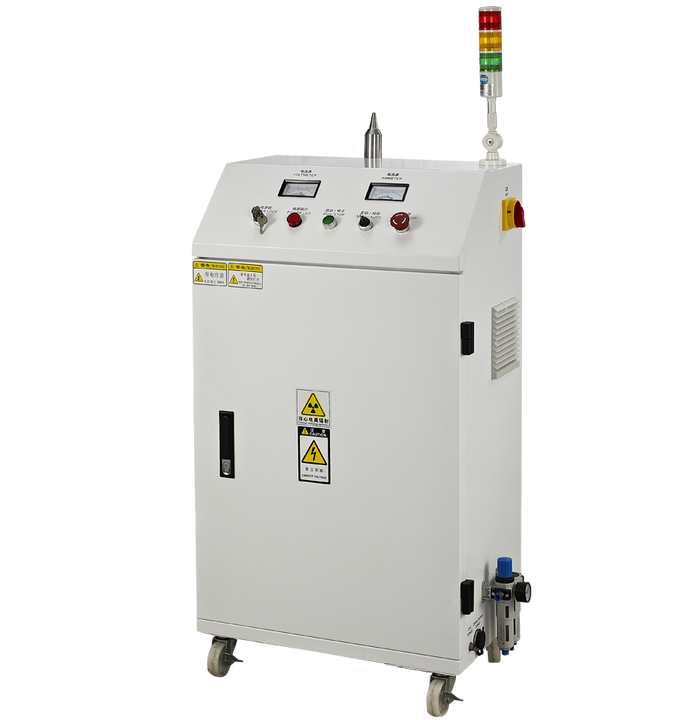
For packaging machinery, the plasma unit can be integrated according to the machine layout, material path, treatment width, production speed and downstream process requirements. Inline treatment is widely used to improve process consistency in packaging and printing applications.
6. Can plasma treatment improve adhesive bonding for packaging?
Yes.
Plasma treatment is used in packaging applications to improve the adhesion of inks, coatings, labels and adhesives.
For example, plasma treatment can be used before folding-carton glue flap bonding, label application, plastic packaging printing and laminated packaging processes.
7. Does plasma treatment replace adhesive or glue?
No.
Plasma treatment is normally a surface preparation process, not a replacement for the adhesive itself.
Its purpose is to improve the surface condition so that the selected adhesive can wet and bond more effectively. Depending on the specific application, plasma treatment may also reduce the need for primers or other surface-preparation chemicals, but this must be validated for the actual material and adhesive system.
8. How do I know whether my material needs plasma treatment?
A practical indication is poor wetting or unstable adhesion.
For example, you may observe:
- Ink beading or poor print adhesion
- Glue peeling from the substrate
- Coating delamination
- Inconsistent bonding
- Different bonding performance between batches
Surface-energy or contact-angle testing can help evaluate the material before and after treatment. However, achieving a certain surface-energy value does not by itself guarantee final bond performance; the complete material/adhesive process should be validated.
9. What information do I need to provide to select a plasma treatment system?
To recommend a suitable KQ plasma solution, customers should provide:
- Material type
- Material thickness
- Treatment width
- Production speed
- Treatment side: single or double side
- Surface treatment position
- Printing / coating / adhesive application process
- Current adhesion problem
- Existing machine layout
- Photos or videos of the production line
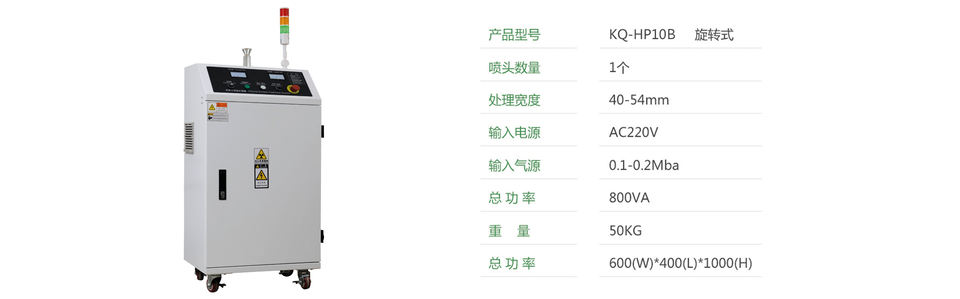
Based on these parameters, the plasma power, treatment configuration and installation method can be evaluated.
10. Can KQ customize a plasma surface treatment system for my machine?
Yes.
KQ can evaluate plasma treatment requirements based on the customer's material, machine structure, production speed and downstream process.
The system can be considered for applications such as:
- Folding carton production
- Plastic packaging
- Labeling
- Printing
- Laminating
- Adhesive bonding
- Paper and board packaging
- Other industrial surface-treatment applications
For OEM machine builders, KQ can also discuss plasma treatment as an integrated module rather than only supplying a standalone machine.